Foundations
Wielding Philanthropic Leadership With, Not For
Being a courageous and ethical leader in philanthropy means learning to listen, and sharing our power by encouraging, empowering, and enabling others.
Being a courageous and ethical leader in philanthropy means learning to listen, and sharing our power by encouraging, empowering, and enabling others.
A new methodology for assessing mission-related investment strategies.

Rob Reich moderates a discussion with Reed Hastings and Darren Walker on the tension between individual or institutional philanthropy and democratic societies.
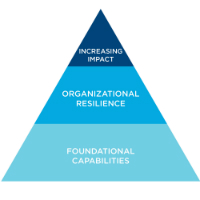
Social sector organizations need a “healthy diet” of funding to achieve maximum impact, a concept neatly captured by the Grantmaking Pyramid now used by the Ford Foundation.
Ford Foundation commits $1 billion to MRIs.
Philanthropists are waking up to inequality as an important issue in America, but if efforts to address it are to succeed, they must work more closely with unions.
The changing US political playground requires that foundations both focus on what works and actively explore what might work in uncertain times ahead.
Mapping out a foundation's theory for itself as an institution can help the organization clarify how it makes choices, allocates resources, and achieves impact.
The new emphasis on land rights in the global development agenda is a positive step, but could be meaningless without significant shifts in support.

The independence of foundations gives them the unique ability to communicate uncomfortable truths to entrenched power. When it comes to strategic communications, however, there are three things of which every foundation could do more.